Biological Aspects of Erectile Dysfunction

1h 32m

Dimitris Hatzichristou

Professor of Urology
Trailer Biological Aspects of Erectile Dysfunction Trailer
Biological Aspects of Erectile Dysfunction Get AccessFull Video

Rate this product!

Content and aim:  Sexologists are usually not adequately equipped to understand the biological mechanism of erectile function and dysfunction. This may be an obstacle in a) using the sexual history to identify the possible contributing role of biological factors, b) understanding the clinical presentation of erectile dysfunction with various organic etiologies, and c) understanding how psychological factors contribute to the mechanism of the erection. Sexologists are required to be knowledgeable of the biological mechanisms that are involved in erectile function and dysfunction in order to provide care that is based on the bio-psychosocial approach. A lack of such understanding may lead to a fragmented view of the sexual function, as well as an underestimation of the continuous interplay between psychogenic and biological factors. In this video Prof. Dimitris Hatzichristou will explain the biological aspects of erectile dysfunction in a way that is suitable for mental health providers without a medical background.

Learning Objectives:

  1. Have an understanding of common biological factors associated with ED in young and older patients.
  2. Get an understanding of hormonal, vascular and anatomical problems that are associated with ED.
  3. Understand the key questions within the sexual history that can indicate the presence or absence of pathophysiology.
  4. Know the available medications for erectile dysfunction and relevant data related to their use and efficacy.
  5. Be familiar with all biological therapeutic options: shock wave therapy, penile prosthesis etc.


Produced in 2020

Dimitris Hatzichristou

Dimitris Hatzichristou

Professor of Urology
Lecturer

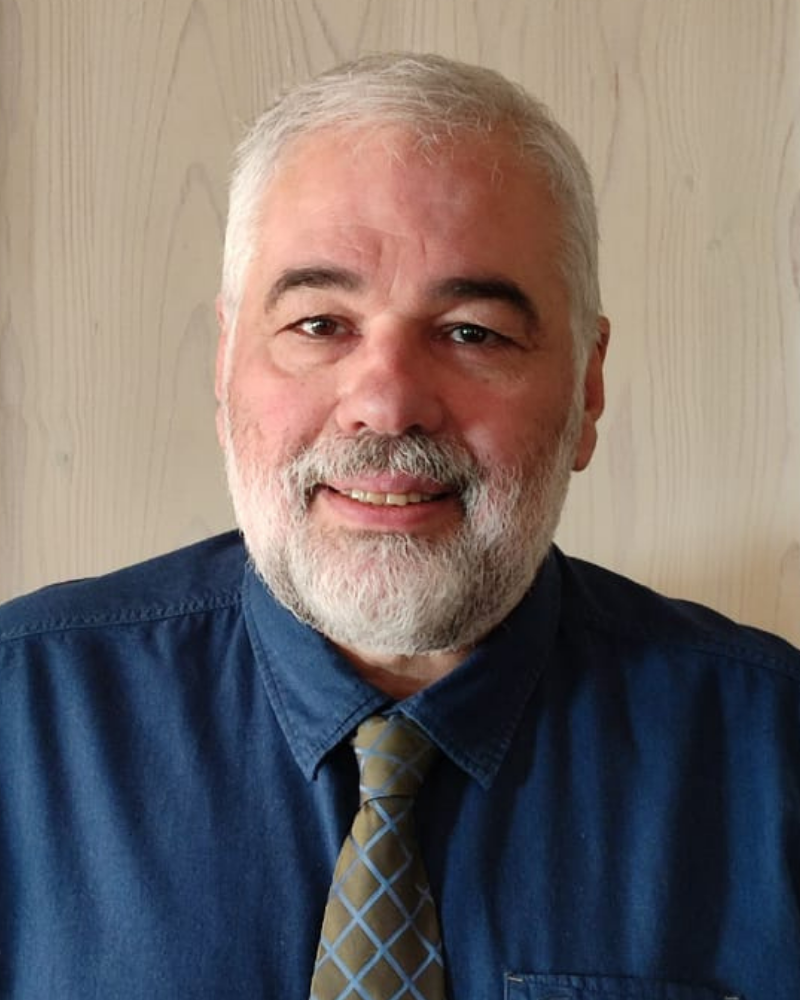
Dr. Dimitris Hatzichristou serves as Professor of Urology at the Aristotle University of Thessaloniki and as President of the Institute for the Study of Urological Diseases (ISUD). After earning his MD and PhD at Aristotle University, Dr. Hatzichristou completed a three-year fellowship in Sexual Medicine at Boston University and served as a Visiting Scholar in Prostate Diseases at Stanford University.

He is a founder and former Secretary General and President of the European Society for Sexual Medicine (ESSM). He has served as a member of the Executive Committee of the International Society for Sexual Medicine (ISSM), for a decade on the Guideline Committee of the European Association of Urology (EAU), and for 20 years as a Committee Chair of the International Consultation in Sexual Medicine. Through his leadership within ESSM, he initiated the provess for the recognition of Sexual Medicine as a European subspecialty by UEMS, and the establishment of the ESSM School.
Dr. Hatzichristou has authored more than 150 peer-reviewed publications and 32 book chapters, accumulating more than 22,000 citations and an h-index of 60. In 2026 he received the European Society for Sexual Medicine (ESSM) Career Award, honoring a senior scientist whose work has made outstanding contributions to the advancement of sexual medicine. Hiw research interests included pathophysiology, pharmacotherapy and surgery of erectile dysfunction. He has also made important contributions to the understanding and management of Peyronie’s disease. He is consistently ranked among the Stanford University Top 2% of Scientists worldwide, placing within the top 0.5% in Medicine and among the top 0.1% of researchers in erectile dysfunction.
Guided by a strong translational vision, his research over the last 15 years has focused on regenerative therapies aimed at restoring tissue structure and function rather than merely alleviating symptoms. He contributed to establishing clinical protocols for low-intensity shockwave therapy, conducted the first double-blind clinical trial evaluating platelet-rich plasma (PRP) for erectile dysfunction, and is currently leading the first international clinical study investigating the therapeutic use of autologous exosomes.
An internationally sought-after speaker and educator, Dr. Hatzichristou has delivered more than 300 invited lectures and workshops worldwide. His work bridges fundamental science, clinical innovation, and translational medicine, contributing to the evolution of sexual medicine from a symptom-oriented field toward disease-modifying and regenerative therapeutic strategies.

Related Content